Mindfulness-nonjudgemental, present-moment awareness-significantly improves mental well-being by reducing stress, anxiety, and depression. It helps break cycles of rumination and negative thinking, allowing individuals to observe thoughts without becoming overwhelmed by them. key practices include meditation, breathing exercises, and mindful eating.
How mindfulness Enhances Mental well-being:
- Reduced Distress: It acts as an antidote to anxiety, fear, and anger by preventing the mind from becoming trapped in past, negative, or future-focused thoughts.
- Improved Emotion Regulation: By fostering a ”de-centered” perspective, people can observe thoughts like ”leaves on a stream” rather than being controlled by them, say experts at the NIH.
- Increased Self-Awareness: Regular practice helps identify early signs of stress or negative behavioral patterns, enabling proactive management, note Mental Health Foundation researchers.
- Neuroplasticity changes: Research indicates that mindfulness can reduce the activity of the amygdala (fight-or-flight center) while strengthening brain areas associated with decision-making.
What is Mindfulness?
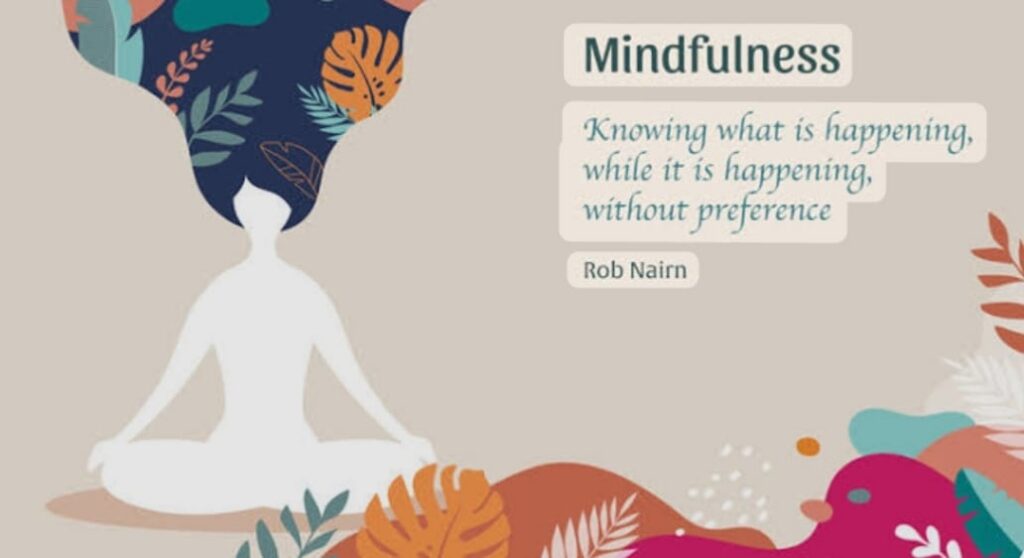
Mindfulness is the basic human ability to be fully present, aware of where we are and what we’re doing, and not overly reactive or overwhelmed by what’s going on around us. It involves observing thoughts, emotions, and sensations without judgment, essentially bringing conscious attention to the present moment rather than dwelling on the past or worrying about the future.
Also, Mindfulness is the practice of being fully present and aware of the current moment-without distraction or judgment. Paying attention to what you’re doing right now. Nort overthinking the past or worrying about the future. Observing your thoughts and feelings calmly.
Mindfulness is focused awareness of the present moment with acceptance.
What is Mental-Wellness?
Mental wellness is an active, proactive process of achieving a state of emotional, psychological, and social well-being. It involves balancing life’s challenges, cultivating resilience, nurturing relationships, and finding meaning, rather than just the absence of mental illness. It allows individuals to realize their potential, cope with stress, and function effectively.
Key Aspects of Mental Wellness
- Emotional Well-being: The ability to understand, express, and manage emotions, including experiencing joy and handling adversity.
- Psychological Well-being: A sense of purpose, Self-esteem, and flexibility to adapt to change.
- Social well-being: Maintaining healthy relationships and having a support system.
- Resilience: The capacity to bounce back from stress and, according to PMC, avoid breakdown when facing adversity.
Mental wellness is a fundamental requirement for both students and working professionals, acting as the foundation for academic success, career productivity, and overall life quality. In today’s competitive and fast-paced environment, prioritizing mental health is essential to manage stressors like high academic expectations, job security concerns, and professional’s burnout, which can otherwise lead to diminished performance, health issues, and, in severe cases, dropout or career disruption.
Connection Between Mindfulness & Mental wellness
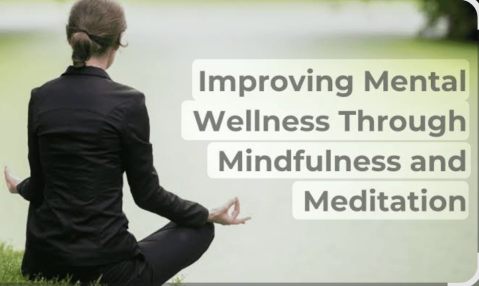
Mindfulness enhances mental wellness by fostering non-judgmental, present-moment awareness, which breaks cycles of rumination, reduces stress, and improves emotional regulation. This practice boosts resilience, lowers anxiety and depression, and enhances overall psychological well-being by strengthening coping mechanisms and inducing positive neurobiological changes, such as reduced amygdala reactivity.
How mindfulness improves mental health
Mindfulness improves mental health by fostering non-judgmental, present-moment awareness, which reduces stress, anxiety, and depression. It helps individuals manage emotions, break negative thinking patterns (rumination), and enhance emotional regulation. Regular practice, such as MSBR, can rewire brain areas associated with fear and stress.
Improves Focus & emotional control
Improving focus and emotional control involves cultivating mindfulness, self-awareness, and consistent self-care habits. Key strategies include practicing deep breathing, meditation (e.g., mindfulness, loving-kindness), regular physical exercise, setting boundaries, and employing cognitive reframing to manage stress and emotional triggers.
Key techniques for enhanced control and focus:
- Mindfulness Meditation: Training focus through concentration meditation and mindful breathing aids in emotional regulation and lowers emotional reactivity.
- The 4 Rs Technique: Use ”Recognise, Relax, Reframe, and Respond” to manage intense feelings and stop impulsive reactions, according to LinkedIn users.
- Pause and Reflect: When overwhelmed, step back and take deep breaths. This engages the logical part of the brain rather than reacting emotionally, as discussed in a Harvard Health article.
- Physical Activity & Sleep: Regular exercise (30 mins/day) and adequate sleep improve energy and cognitive focus.
- Identify Triggers: Recognising what causes high emotions allows for better preparation and control over reactions.
- Cognitive Reframing: Challenge negative thoughts to maintain a positive outlook, as advised by the CDC.
Benefits of practicing Mindfulness
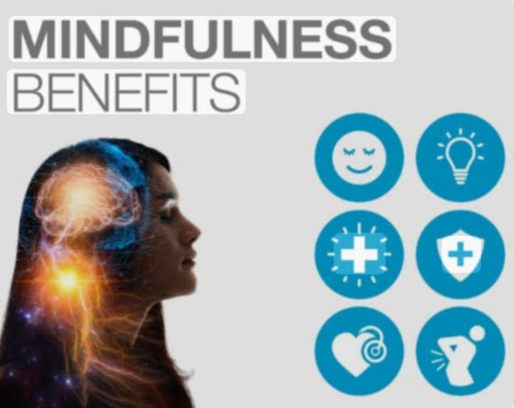
Mindfulness, the practice of being present and non-judgmentally aware, offers significant mental and physical health benefits, including reduced stress, anxiety, and depression. It boosts cognitive functions like focus and memory, enhances emotional regulation and self-awareness, improves sleep quality, and supports physical health by lowering blood pressure.
Better Concentration
Improving concentration through mindfulness involves training the brain to return to a single point, such as the breath, when the mind wanders. Regular, even brief, 10-minutes daily meditation sessions significantly enhance focus, reduce multitasking, and improve working memory.
Reduced stress and anxiety
Mindfulness reduces stress and anxiety by training the brain to focus on the present moment without judgment, lowering cortisol levels and decreasing ruminating thoughts. Techniques like deep breathing, meditation, and mindful observation interrupt the ”fight-or-flight” response, fostering emotional regulation and a calmer physiological state.
Improved sleep quality
Practicing mindfulness is a recognized evidence-based approach for improving sleep quality, particularly for individuals struggling with insomnia, chronic pain, or high stress. It works by fostering a non-judgmental awareness of the present moment, which helps reduce the ”metacognitive” arousal-or the worry and anxiety about not sleeping-that often fuels chronic insomnia.
Increased self-awareness
Practicing mindfulness improves self-awareness by fostering a non-judgmental, present-moment focus on thoughts, emotions, and physical sensations. It strengthens the brain’s ability to observe mental processes, increasing emotional regulation, reducing automatic reactivity, and enhancing self-understanding. key techniques include meditation, body scans, and purposeful breathing.
Better decision-making
Mindfulness improves decision-making by reducing emotional reactivity, enhancing focus, and promoting cognitive clarity, allowing individuals to pause, evaluate options objectively, and align choices with core values. By reducing stress and bias, it helps avoid impulsive, poor-quality decisions.
Simple Mindfulness Techniques (Beginner-Friendly)
Simple mindfulness techniques for beginners include focusing on breath (inhaling/exhaling slowly), doing a 5-minute body scam from toes to head to reduce tension, using box breathing (inhale/exhale 4 counts each), or engaging in daily tasks like showering with full sensory awareness. These methods help anchor you in the present, reducing stress.
Sit comfortably and focus entirely on the sensation of your breath entering and leaving your body. If your mind wanders, gently bring it back without judgment. Lie down or sit comfortably. Starting at your toes and working up to your head, slowly bring your attention to each part of your body. Notice sensations like warmth, tension, or cold without trying to change them.
Deep Breathing exercises
Beginner-friendly deep breathing for mindfulness involves slow, intentional breaths focused on belly expansion to calm the nervous system. key techniques include 4-7-8 breathing (inhale 4, hold 7, exhale 8), Box breathing (inhale/hold/exhale/hold for 4 each), and diaphragmatic belly breathing to reduce stress, improve focus, and promote immediate relaxation.
Meditation (5-10 minutes Daily)
Daily 5-10 minute meditation is a highly effective way to build mindfulness and reduce stress, with studies showing that even short, consistent sessions can significantly reduce anxiety and improve focus. For beginners, the goal is not to empty the mind, but to observe thoughts without judgment and gently return focus to the present moment.
Mindful Eating
Mindful eating is the practice of bringing full, non-judgmental awareness to the experience of eating, utilizing all five senses to savor food, and listening to bodily cues of hunger and satiety. Beginner-friendly techniques include removing distractions (phones, TV), chewing slowly, and starting with small, single-food tasks.
Journalising thoughts
Mindful journalising is the practice of writing down thoughts, feelings, and experiences with present-moment awareness, intention, and non-judgment. It serves as a tool for self-reflection and emotional processing, aiming to reduce stress, increase self-awareness, and foster inner peace by focusing on the ”now” rather than just documenting events.
Digital Detox
A digital detox for beginners focuses on small, intentional shifts in habits rather than going completely ”off-grid.” It is about cultivating mindfulness to break the autopilot habit of constant screen checking and reducing the mental clutter caused by notifications.
Daily habits for mental wellness
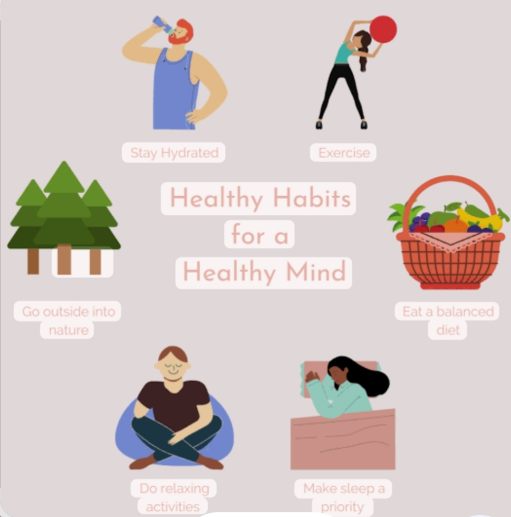
Improving mental health daily involves small, consistent actions: practicing mindfulness, moving your body for 30 minutes, journalising gratitude, limiting screen time, and maintaining consistent sleep schedules. Prioritize self-care, foster social connections, and spend time in sunlight to reduce stress, boost mood, and improve overall well-being.
key Daily habits to improve mental health:
- Practice Mindfulness & Meditation: Spend time focusing on the present moment, thoughts, and breathing to reduce stress and anxiety.
- Move your body: Aim for at least 30 minutes of physical activity-walking, gardening, or exercise-to release endorphins and improve mood.
- Get Daily Sunlight & Nature: Spend time outdoors for fresh air and Vitamin D to raise serotonin levels.
- Journal Gratitude: Write down things you are thankful for to shift focus toward positive emotions, as mentioned by SKooc.
- Prioritize Sleep: Establish a consistent sleep routine to allow your brain to recover and reset, which helps with emotional processing, notes SAHASRA HOSPITALS and Greater Good Health.
- Digital Detox & Boundaries: Limit screen time, especially before bed, to reduce stress and improve sleep quality.
- Connect with others: Reach out to friends, family, or colleagues for social support.
- Eat Healthy: Include fruits and vegetables in your diet to support brain health.
- Engage in Creative Outlets: Spend time on hobbies like painting, music, or cooking for emotional release.
- Practice Kindness: Perform small acts of kindness to build a sense of community and purpose, says nhs.uk.
Common Mistakes to Avoid
Common mistakes to avoid for better mental health include neglecting physical health (sleep/diet), suppressing emotions, excessive screen time, and isolating oneself. Other key pitfalls are striving for perfection, ignoring signs of burnout, and failing to set boundaries, which can lead to increased anxiety and depression.
Neglecting physical well-being, Ignoring th mind-body connection, such as poor sleep habits, lack of exercise, or poor sleep habits, lack of exercise, or poor nutrition, directly impacts mental stability, say this YouTube video.
Suppressing or Ignoring Emotions, Bottling up feelings of sadness, anxiety, or anger than addressing them can lead to larger, long-term issues, according to this LinkedIn article.
Expecting instant results
Expecting instant results in mental health, such as rapid healing from anxiety, depression, or behavioral changes, is a common but often counterproductive mindset driven by the brain’s desire for immediate gratification. While digital technology and modern life encourage ”overnight success” expectations, genuine mental health improvements require consistent, long-term effort rather than quick fixes.
Overthinking Meditation
Overthinking, a common symptom of anxiety and stress, causes mental exhaustion and unproductive rumination. Meditation helps by training the mind to observe thoughts without judgment, shifting focus from ”what ifs” to the present moment, ultimately reducing anxiety and calming mental noise.
Being Inconsistent
Inconsistency during mental health struggles-such as erratic routines, mood shifts, or fluctuating commitment to goals-is common and often caused by underlying factors like ADHD, personality disorders, or overwhelming stress. It is a symptom, not a character flaw, frequently stemming from executive dysfunction or emotional exhaustion.
Comparing your progress with others
Comparing mental health progress with others is a natural but often harmful habit that triggers anxiety, depression, and low self-esteem. It thrives on curated highlights feels like your reality, leading to feelings of inadequacy. Focus on your own journey, practice self-comapssion, and celebrate small, individual victories.
Conclusion
Mindfulness is a scientifically validated approach to enhancing mental wellness by cultivating non-judgmental, present-moment awareness. It reduces stress, anxiety, and depression by lowering cortisol, improving emotional regulation, and decreasing cognitive rumination. It acts as a protective, self-regulatory tool, promoting long-term psychological resilience.
Regular practice can increase gray matter in the hippocampus (memory/emotion regulation) and decrease amygdala activity (fear/stress response). Studies confirm mindfulness-based interventions effectively lower symptoms of anxiety, depression, and chronic stress. By reducing mindless reactivity and increasing self-awareness, individuals experience greater self-compassion, improved relationships, and increased self-regulation.
In conclusion, mindfulness is an effective, evidence-based tool for fostering long-term mental health, offering a proactive way to improve emotional resilience and overall quality of life.
FAQ Section
Is mindfulness the same as meditation?
No, mindfulness and meditation are related-but not the same. Mindfulness is a state of awareness. It means being fully present in the moment-ware of your thoughts, feelings, and surroundings without judging them.
How much time should I practice daily?
For mindfulness and mental wellness, you don’t need hour-just consistent, intentional time every day.
Can mindfulness reduce anxiety?
Yes-mindfulness can significantly reduce anxiety, and it’s backed by research. Calming the nervous system, and reducing cortisol. It helps break cycles of worry and rumination.
Is it suitable for beginners?
Yes, mindfulness is highly suitable for beginners, offering a practical and accessible way to lower stress, improve focus, and boost mental wellness.