
Freelancing is self-employment where individuals offer services to clients, typically on a contract or project basis, allowing for flexible hours and remote work. It offers high income potential, freedom from a traditional work, but requires self-motivation, networking, and handling, business admin.
Popular Roles- content Creation (writing, video editing), IT/software development, digital marketing, graphic design, and consulting.
Platforms to Find Work- Upwork, Fiverr, Freelancer, and LinkedIn are top sites to find clients, especially for beginners.
How to start-Identify a niche skill, create a portfolio of your work, set rates, and start pitching to potential clients via cold emails or social media.
Pros-Flexibility to work anywhere, freedom to select clients, and unlimited earning potential.
Cons-Income instability (feast-or-famine cycles), isolation, responsibility for taxes/benefits, and long hours.
What is Freelancing?
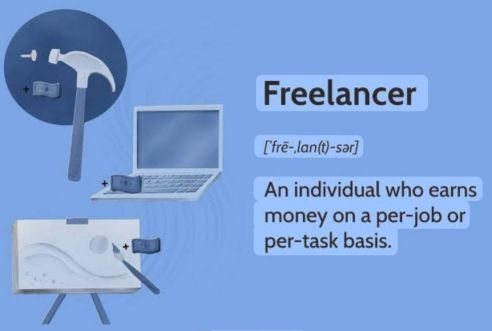
Freelancing is a form of self-employment where individuals offer specialized services to multiple clients on a project-by-project or contract basis, rather than being employed by one company. Freelancers are their own bosses, managing their own schedules, taxes, and rates, often working remotely in fields like writing, design, and programming.
Key characteristics of Freelancing:
- Independence: You are your own boss, controlling which projects to accept and how to manage your time.
- Multiple Clients: Instead of a single employer, you work for various clients simultaneously.
- Flexible Work: Often done remotely, allowing for varied locations and hours.
- Project-Based Pay: Compensation is typically based on a project-by-project fee or an hourly rate.
Why Freelancing is good for Beginners?
Freelancing is excellent for beginners because it offers unparalleled flexibility to set your own hours, choose projects, and work from anywhere. It allows new professionals to gain practical experience, build a global portfolio, and develop skills rapidly without the rigid constraints of a traditional 9-5 job.
This video explains how you can start freelancing even with no experience:
Here is why freelancing is ideal for beginners:
- Low Barrier to Entry & High Flexibility: Beginners can start with minimal costs, often using existing skills, and work around their own schedule, which is perfect for students or those looking for a side hustle.
- Rapid Skill Development & Portfolio Building: Freelancing exposes beginners to diverse projects and clients, allowing them to learn new skills faster and build a professional portfolio, notes Upwork.
- Control Over Career Path: Beginners can choose their clients and projects, allowing them to focus on areas they are passionate about or wish to develop expertise in.
- Global Opportunities: Freelancers can work with clients worldwide, providing exposure to international work standards and broadening their horizons.
- Extra Income Potential: It is an effective way to earn extra money without the commitment of a full-time job, potentially leading to a higher income as skills increase.
- Control Over Workload: Beginners can choose how many projects to handle at once, helping to manage stress while learning to balance professional and personal life.
Benefits: Flexibility, low investment, skill-based earning
Freelancing is an increasingly popular career path offering significant autonomy, allowing individuals to act as independent contractors rather than traditional employees. It is characterized by high flexibility, low startup costs, and the ability to earn directly based on skills and performance.
Key Benefits
- Freedom and Autonomy: Freelancers are their own bosses, allowing them to choose their clients, projects, and work hours.
- Global Opportunities: Freelancers can work with clients worldwide, breaking geographical barriers and expanding their professional network.
- Faster Growth and Exposure: Freelancing provides exposure to various industries and clients, often leading to faster professional growth compared to a single, static 9-to-5 job.
- Increased Earning Potential: Without a middleman, freelancers often have higher income potential, setting their own rates based on market demand and expertise.
- Work-Life-Balance: The ability to structure the day around personal commitments leads to better mental health and reduced communicating stress.
Factors to choose the best freelance work

Choosing the best freelance work requires a strategic approach that balances your professional skills, personal interests, financial needs, and lifestyle goals. Key factors include evaluating your expertise, assessing the demand for specific skills, setting appropriate rates, and establishing long-term client relationships.
Here are the critical factors to consider, based on industry insights:
- Easy to learn: Choosing the best freelance work that is easy to learn requires balancing low barriers to entry with high market demand. The ideal beginner-friendly freelance job should allow you to start earning within a few weeks, not months, using skills you can teach yourself. Low Technical Requirements, Choose roles that do not require advanced coding, complex mathematics, or specialized degrees (e.g., content writing vs. AI development).
- High demand in market: Target niches where small businesses need help, such as social media management or basic SEO.
- Low competition for beginners: For beginners, the ”best” freelance work combines low barrier to entry often combines low barrier to entry, high demand, and, most importantly, low competition to make securing the first few projects easier. key factors to evaluate for low-competition, beginner-friendly work include focusing on niche skills, using specialized platforms, and prioritizing service-based roles over creative-heavy ones.
- Can be done remotely: Choosing the best remote freelance work requires a strategic approach that balances personal skill sets, market demand, and lifestyle goals. key factors include assessing your marketable skills, ensuring high demand for the role, evaluating compensation, and validating the legitimacy of the client or platform.
- Growth potential: Choosing freelance work with high growth potential involves prioritizing opportunities that build your skills, reputation, and client base over short-term, low-paying gigs. key include focusing on in-demand industries like AI and software development, selecting long-term retainers over one-off projects, and developing specialized, high-level skills.
Best freelance work for beginners

The best freelance jobs for beginners with little to no experience include virtual assistance, data entry, content writing, social media management, and graphic design using tools like Canva. These roles offer flexible schedules, high demand, and opportunities to build skills, with many beginners starting on platforms like Upwork, Fiverr, or Appen.
Here are some work for beginners is easy to start & growing:
- Content Writing: A freelance content writer is a self-employed professional who creates written material for various clients on a contract or project basis, rather than being employed by a single company. They are responsible for researching, writing, editing, and publishing digital content-such as blogs, articles, and social media posts-that informs, educates, or entertains a target audience to support marketing and SEO goals.
- Blog writing, article writing: Freelance writing is a form of self-employment where a professional writer works on a contract or project basis for various clients, rather than being employed full-time by a single organization. Freelancers are responsible for finding their own work, setting their own rates, and managing their own schedules.
- Requires basics English & Research skills: basic English proficiency and strong research skills are critical foundations for building a successful freelance career, particularly for roles in content creation, virtual assistance, and digital marketing [1, 2, 4]. These skills allow you to communicate with international clients, understand unfamiliar topics quickly, and produce high-quality work [3, 4].
- Beginners-friendly & high demand: High-demand, beginner-friendly freelance jobs include virtual assistance, social media management, content writing, data-entry, and basic graphic design (using tools like Canva). These roles offer high flexibility and require minimal technical skills, allowing beginners to start quickly with platforms like Upwork and Fiverr.
Social Media Management

Social media management is the strategic process of creating, scheduling, analyzing, and engaging with content across social platforms (e.g., Facebook, Instagram, LinkedIn, TikTok) to build brand awareness and drive engagement. It involves managing online presence, utilizing tools to automate tasks, and fostering community interaction to meet business goals.
- Managing Instagram, LinkedIn, Facebook Pages: Social Media management involves creating, scheduling, and analyzing content across Instagram, LinkedIn, and Facebook to build brand awareness, engage audiences, and drive traffic. key tasks include crafting platform-specific content (visuals for Instagram, professional updates for LinkedIn), maintaining a consistent posting schedule via tools like Buffer, and using Sprout Social or similar tools to analyze engagement metrics and optimize performance.
- Posting content, replying to comments: Effective social media management involves consistent, high-quality content posting paired with active community engagement. Replying to comments boosts engagement by up to 42%, builds brand loyalty, and informs algorithms, enhancing reach. Use a, consistent, professional, or brand-aligned voice, responding to all comments to maximize visibility, prioritizing early interactions.
- Good for creative people: Social media management is excellent for creative people, offering a dynamic outlet for visual design, storytelling, and video production while building brand identity. It blends artistic skills with strategic thinking-such as designing graphics, crafting compelling captions, and analyzing audience engagement-make it a versatile career that transforms creativity into measurable business growth.
Graphic Designing

Graphic design is the art of visual communication, combining typography, images, and color to convey information and create, affect, or enhance user experience. It is a ubiquitous field spanning print, digital media, branding, packaging, and user interfaces (UI) designed to inform or engage audiences.
- Posters, Logos, thumbnails: Graphic design is the art of visual communication, combining typography, imagery, and color to convey ideas, brand identities, and information. posters, logos, and thumbnails are specific, essential formats within this field, serving distinct functions in both marketing and digital content creation.
- Tools- Canva, Photoshop: Canva is an intuitive, web-based tool ideal for beginners, marketers, and rapid, template-driven social media content. Canva and Canva provide AI powered, collaborative design solutions. Adobe photoshop is industry-standard, desktop-based software offering unparalleled, complex photo editing, advanced layers, and precise control for creative professionals.
- High-demand in marketing: Graphic design is in high demand within marketing due to the rapid growth of digital content, social media, and e-commerce. Which require engaging visuals to attract consumers. Skilled designers are crucial for enhancing brand identity, increasing audience engagement, and improving conversion rates. key areas driving this demand include motion graphics, UX/UI design, and social media content creation.
Data-Entry

Data-entry is the process of inputting, updating, or digitizing information into a computer systems, databases, or spreadsheets, typically using tools like keyboards, scanners, and software such as MS Excel or CRMs. It requires high speed, accuracy, and attention to detail to manage information for various industries.
- Simple typing work: Simple data entry and typing jobs involve inputting data, such as numbers or text, into spreadsheets, documents, or databases from sources like PDFs or images, often with weekly pay. These remote roles generally require a computer, internet connection, and decent typing speed, with many opportunities found on platforms like OLX, Fiverr, Internshala, and Naukri.com.
- No advanced skill required: Data entry is widely regarded as an entry-level field that does not require advanced technical skills or specialized degrees. It is a popular, high-demand career option for beginners, offering flexibility and work-from-home options. However, while ”advanced” expertise is not required, the job demands high accuracy, attention to detail, and foundational proficiency in software tools.
- Easy starting point: Data-entry is an accessible entry-level career with low barriers to entry, often requiring only basic computer skills, high school education, and decent typing ability. It offers flexible work options (freelancer or remote) with beginners potentially earning between INR 10,000-INR 20,000 PER month, or up to INR 40k+ for experienced remote workers. key tools include Microsoft Excel and Google Sheets.
Video Editing
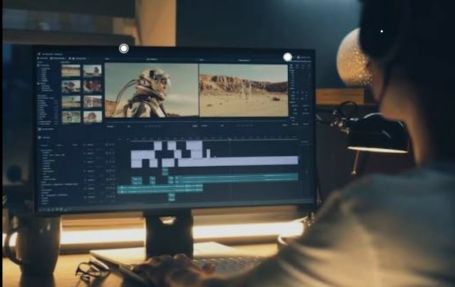
Video editing is the process of manipulating, rearranging, and enhancing raw video footage to create a final, coherent story. It involves cutting unwanted scenes, re-sequencing clips, adding audio, music, effects, and transitions to transform raw, non-sequential footage into a compelling, polished, and shareable visual product.
Vitual Assistant
A virtual assistant (VA) is a skilled professional-often an independent contractor-who provides administrative, technical, or creative support to businesses and entrepreneurs remotely. They work from home, handling time-consuming tasks like scheduling, email management, customer service, and social media to improve efficiency and reduce operational costs.
Web development

Web development is the process of creating, building, and maintaining websites and web applications that run on the internet. It involves writing markup and coding to ensure a site’s functionality, performance, and user experience.
Platforms to find freelance work
Top websites to find freelance work include major platforms like Upwork and Fiverr for diverse projects, Toptal for senior professionals, and LinkedIn for networking. Creative specialists can use Behance or 99designs, while platforms like Contra and Flex jobs offer curated or specialized roles.
Here is a breakdown of top websites for finding freelance work:
- Upwork: Ideal for finding diverse, lomg-term, and high-paying projects across many industries.
- Fiverr: Good for beginners or creating specialized ”gigs” (projects) in over 700 categories.
- Freelancer: Large platform with over 87 million professionals and diverse job listings.
- Guru: known for allowing freelancers to create profiles and work on various projects, often with long-term opportunities.
How to start freelancing
To start freelancing, Identify a marketable skill (e.g., writing, design, programming) and define your specific service. Build a portfolio with sample projects, set competitive initial rates, and create profiles on platforms like Upwork, Fiverr, or LinkedIn. Finally, market your services through direct outreach and networking to secure your first clients.
Here is a step-by-step guide to launching your freelance career:
- Select your service: Choose a skill you can offer, such as Graphic design, copywriting, AI implmentation, video editing, or virtual assistance.
- Define your Niche: Instead of being a generalist, specialize in a specific area to charge higher rates (e.g., instead of ”social media manager,” be a ”social media manager for e-commerce brands”).
- Define your Target Audience: Identify who needs your skills most (e.g., startups. local businesses, busy professionals).
- Start applying for gigs: To start applying for freelance gigs, define your niche, build a portfolio with 2-3 sample projects, and create profiles on platforms like Upwork, Fiverr, or Freelancer. Create a professional profile, craft tailored proposals, and start pitching to clients to land your first job.
Common Mistakes To Avoid
Common freelancing mistakes to avoid include underchanging, skipping contracts, poor time management, and failing to define project scope. which leads to ”scope creep”. Other critical errorsare not requiring upfront payments, neglecting marketing during busy periods (causing feast-or-famine cycles), and poor communication, which damage professional reputation and cash flow.
Trying to learn too many skills at once
Trying to learn too many skills at once is a common ”productive procrastination” trap that new freelancers fall into, often leading to burnout, diluted positioning, and financial stress. To build a sustainable freelance career, it is crucial to focus on depth rather than breadth, particularly in the early stages.
Not building a portfolio
Neglecting your portfolio is a critical error, as it acts your professional proof of skill and credibility, making you look like a hobbyist rather than a professioanl. To succeed, curate 8-12 recent, relevant projects, keep it updated, and focus on outcomes rather than just output.
Expecting fast money
When freelancing with the expectation of fast money, it is easy to fall into traps that lead to burnout, non-payment, or a damaged reputation. Avoiding these common mistakes will help you establish a more stable, lucrative, and sustainable business.
Ignoring communication skills
Beyond ignoring communication skills, freelancers often jeopardize their careers by neglecting the business and administration side of their work.
Conclusion
Based on the provided search results, the best freelance work for beginners combines low barriers to entry with high demand, allowing for quick skill acquistion and immediate income generation.
Content Writer/copywriter- often considered the most accessible entry point because it leverages existing communication skills, with high demand for blog posts, website content, and social media ads. Virtual Assistant-Ideal for organized beginners, focusing on administrative tasks like scheduling, email management, and data entry for busy founders. Social media manager- Lucrative and beginner-friendly, requiring knowledge of platforms like Instagram, TikTok, and LinkedIn to increase brand engagement. Graphic Designer (Canva/Basic PSD)- High demand for creating YouTube thumbnails, social media graphics, and simple logos. Customer Service Representative- Requires only languages proficiency and is among the fastest roles to secure, often requiring no prior experience.
FAQ Section
What is freelancing?
Freelancing is a form of self-employment where individuals offer services to multiple clients on a project or contract basis, rather than being commited to a single employer.
Can students start freelancing?
Yes, students can absolutely start freelancing to earn money, build professional experience, and maintain a flexible schedule while studying. Popular student freelance options include content writing, graphic design, social media management, and video editing, often starting on platforms like Fiverr, Upwork, or LinkedIn.
Which skills are best for freelancing?
some popular skills:
- Content Writing
- Graphic design
- Video editing
- Web development
- Digital marketing
How can beginners get their first client?
- Freelance platforms (Fiverr, Upwork)
- LinkedIn networking
- Cold messaging
How much can a beginner earn?
In the starting Rs.5,000-20,000 per month possible. with experience increas=income increase.
Is freelancing safe?
Freelancing is safe and rewarding but carriers inherent risks-such as income volatility and potential scams-that require proactive management.
How much time is needed daily?
Daily 2-4 hours is sufficient for start. consistency is much more important.
Do I need investment to start freelancing?
No, you do not need significant financial investment to start freelancing, as it is designed to be a low-cost, accessible business model. Most beginners can start immediately with existing tools, such as a laptop and internet connection, using free platforms like Fiverr and Upwork to find clients.