Email marketing is a digital strategy that involves sending tailored messages to a list of subscribers to promote products, build relationships, and nurture leads. It is a highly effective, cost-efficient tool for driving sales and customer loyalty, often yielding high returns on investment (ROI) by targeting prospects who have already shown interest.
Email marketing in 2026 is an essential, highly profitable, and AI-driven channel, boasting an estimated $36-$45 ROI per dollar spent. It serves as the primary, owned communication channel (not dependent on algorithms) used for personalized customer engagement, CRM integration, and direct, secure communication.
Email marketing for business involves building an organic subscriber list, using an email service provider (ESP) to send targeted, personalized content, and analyzing campaign results to build relationships and boost sales. Key tactics include using lead magnets (like discounts or free content) to encourage sign-ups, automating welcome emails, segmenting audiences for relevance, and ensuring mobile-friendly designs.
Benefits of Email Marketing
Email marketing offers high ROI (up to $42-$53 per $1 spent), cost-effective targeted communication, and better customer engagement than social media. It drives sales, builds brand loyalty, and allows for personalized, measurable campaigns. It’s a scalable tool for reaching a, engaged audience directly in their inbox.
Key Benefits of Email Marketing
- High ROI and Cost-Effectiveness: With no print or ad space costs. It offers one of the best ROIs among digital channels, with average returns up to 4,200%.
- Targeting and Personalization: Segment your list to deliver personalized content, which increases engagement and conversion rates.
- Ownership of Audience: Unlike social media, you own your email list and control your message without relying on algorithms.
- Measurable Results: Track metrics like open rates, click-through rates, and conversion rates to analyze campaign success.
- Build Relationships & Loyalty: Regular, valuable communication keeps your brand top-of-mind and strengthens customer trust.
- Automation: Set up automated campaigns (e.g., welcome emails, abandoned cart reminders) to nurture leads efficiently.
- Increased Traffic & Sales: Direct, clickable links in emails facilitate immediate action, driving traffic to websites and boosting sales.
Types of Email Marketing
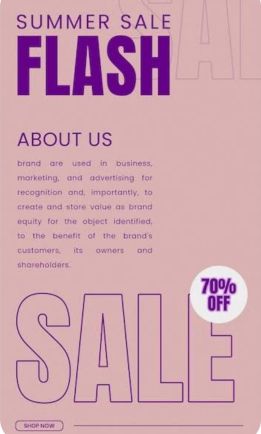
A Promotional email is a marketing message designed to drive revenue by showcasing products, special offers, or events to subscribers.
Effective emails focus on a single clear call-to-action (CTA), use urgent or scarcity-driven language (e.g., ”ends tonight”), and feature mobile-friendly designs to maximize conversions.
Short, urgent, or benefit-driven lines that increase open rates.
Highlight the benefits of your offer rather than just features, keeping the message easy to scan.
one primary, obvious action you want the reader to take.
Using the recipient’s name or segmenting lists based on interest to increase relevance.
Email marketing are (periodic) publications sent to subscribers to engage, inform, and build loyalty, typically focusing on specific topics or company updates. To create a successful newsletter, define your goals, use a consistent schedule, and utilize platforms like Mailchimp, HubSpot, or Brevo for templates and automation. Essential practices include ensuring mobile optimization, clear calls-to-action, and high-quality content.
Newsletters are used to build trust, share company news, or market products. They are often viewed as the highest-performing content type for nurturing leads.
Regular, predictable, and consistent timing establishes trust and keeps audience engagement high.

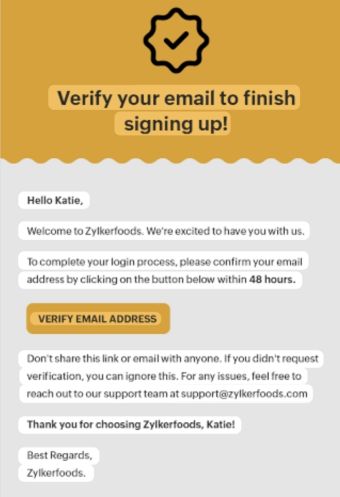
Transactional emails are automated one-to-one messages triggered by specific user actions-such as purchases, password resets, or account creations-designed to provide essential, expected information. Unlike marketing emails, they focus on utility (receipts, shipping updates), usually do not require unsubscribe links, and have high open rates.
Order confirmations, invoices, receipts, and shipping notifications. Password resets, welcome emails, account verification, and security alerts.
Shipping/delivery confirmations and appointment reminders.
Feedback requests, abandoned cart emails, or data export alerts.
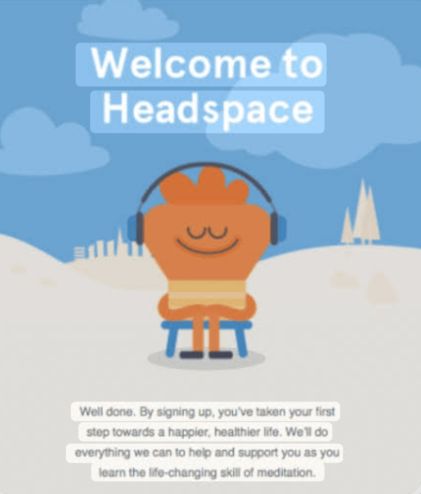
A welcome email is the crucial first automated message sent to new subscribers or customers, boasting high open rates. It establishes trust, introduces brand identity, and outlines value by providing next steps, such as setting up an account, offering incentives, or setting expectations for future communication.
Trigger the email immediately after sign-up to capture interest while it is highest.
Use straightforward, welcoming language that references the sign-up (e.g., ”Welcome, ”Thanks for joining”).
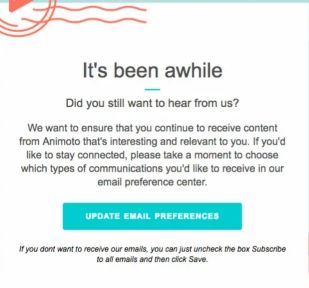
A re-engagement email is a targeted message sent to inactive subscribers-those who haven’t opened emails, logged in, or purchased in a while-to win them back, update their preferences, or remove them from your list. Effective campaigns use personalization, value-driven subject links, and a clear call to action (e.g., offer a discount or highlight new features).
How Email Marketing Works (Basic Concept)
Email marketing works by sending targeted, permission-based messages to a curated list of subscribers to nurture relationships, build brand awareness, and drive sales. It functions through an email service provider (ESP) using automation for campaigns like welcome series, newsletters, and promotional offers to convert subscribers into customers.
What is Email Funnel?
An email funnel is a strategic, automated sequence of emails designed to guide subscribers from initial awareness to becoming paying customers or loyal advocates. It nurtures leads by delivering personalized content tailored to different stages-welcome, education, and sales-to build trust and maximize ROI.
A Subscriber journey in email marketing is an automated series of targeted messages designed to guide a prospect from brand awareness to purchase and long-term loyalty. It uses personalized, triggered emails-such as welcomes, behaviour-based updates, or nurturing campaigns-to meet customers at specific stages of their buying decision process.
The email marketing lead-to-customer process involves capturing leads via incentives (lead magnets), nurturing them through automated, personalized email sequences that build trust and demonstrate value, and finally converting them with targeted offers. This journey moves leads from awareness to purchase using educational content, social proof, and clear calls-to-action (CTSs).
How to start email marketing (step-by-step)
- Step 1: Choose an Email Service Provider (ESP), Select a platform to manage subscribers, send campaigns, and automate emails. Popular options for beginners include Omnisend, Mailchimp, and Sender.
- Step 2: Define your goals and audience, Identify why you are sending emails (e.g., sales, engagement, brand loyalty) and segment your audience by demographics or behaviour.
- Step 3: Build an Email List, Create an email collection method, landing page, or embedded form on your website.
- Step 4: Offer an Incentive (Lead Magnet), Encourage sign-ups by offering a discount, free, or exclusive content.
- Step 5: Set up Automation, Create a ”Welcome” automation series for new subscribers, which typically has the highest engagement rate.
- Step 6: Create and Send Campaigns, Design your first email (e.g., a newsletter, promotion) using mobile-friendly templates.
- Step 7: Test and Track Results, Use A/B testing for subject lines and analyze metrics like open rates, click-through rates, and unsubscribers to optimize future campaigns.
Best Email Marketing Tools (2026)
The best email marketing tools in 2026 include Brevo and MailerLite for, respectively, high-volume and intuitive, affordable marketing, while Kit (formerly ConvertKit) excels for creators. Free tools are ideal for beginners (up to 500-1,000 subscribers) with basic automation, whereas paid plans offer advanced segmentation, AI features, and higher volume.
The best email marketing tools for beginners offer intuitive, drag-and-drop editors, free plans, and simple automation, with top choices including MailerLite, Brevo, Mailchimp, and Convertkit. These platforms help users build lists, design campaigns, and automate emails without needing prior experience.
Automation tools, including RPS, AI-driven platforms, and workflow software, streamline repetitive tasks to enhance efficiency and reduce human error. key categories include marketing (email, CRM), project management (Trello, Asana), and software testing (Selenium, playwright). These tools, such as n8n, Uipath, and Zapier, facilitate integration, data management, and process automation.
How to build an email list
Choose an email list involves setting up a Mailchimp, Squarespace, or other ESP, offering a free incentive (lead magnet), and using sign-up forms on a landing [age. Key methods include creating a Google label for small groups, using a Google Form to gather subscribers, or promoting a lead magnet like a discount or ebook on social media.
What is lead magnets?
A lead magnet is a free, valuable incentive-such as an ebook, discount code, or checklist-offered by business to potential customers in exchange for their contact information, typically an email address. It serves as a lead generation tool to convert website visitors into subscribers and build marketing list.
Use of Sign up
Signup forms are essential digital tools for gathering user data, building email lists, and converting website visitors into leads or customers. They are used for newsletter subscriptions, event registrations, and granting access to gated content. Common types include embedded forms, pop-ups, and dedicated landing pages.
Importance of landing page
Landing page are crucial for maximizing digital marketing ROI by directing traffic to a focused page designed to convert visitors into leads or customers. Unlike homepages, they remove distractions, align with specific ad campaigns to increase relevance, and drive higher conversion rates by prompting a single, clear call-to-action (CTA).
Organic vs Paid list building
Organic list building generates high-trust, long-term subscribers through content and SEO, while paid list building delivers immediate, scalable, but often lower-engagement leads. Organic offers better ROI over time (25-41% engagement), whereas paid ads provide instant visibility for launches. A blended approach often works best for sustainable growth.
Email list building strategies
Free ebooks and guides are available through numerous online platforms, offering everything from classic literature to business resource include project Gutenberg (75,000+ free ebooks), BookBub for daily deals, and HubSpot for business/marketing guides. Other top sources are open library and Standard Ebooks.
Provide Discount or Coupon
To provide discounts or coupons in email marketing, use clear, high-value offers with strong CTAs like ”Redeem Now” or ”Save 20%,” incorporating urgency through expiration dates. Effective strategies include welcoming new subscribers with a coupon, rewarding loyalty, or using personalized, single-use codes to boost sales and prevent misuse.
Blog/Pop-up Forms
Pop-up forms on blogs are highly effective for lead generation, offering maximum visibility for newsletters, content upgrades, or promotions. Key types include exit-intent, timed, and scroll-based pop-ups, often created using tools like JotForm, Mailer Lite, or WordPress plugins like jet pop-up.
Social media integration connects your social media platforms with websites, CRMs, and marketing tools to enhance user engagement, boost traffic, and streamline content distribution. It involves embedding live feeds, adding social login options, and displaying sharing icons, allowing for a consistent, interactive brand experience. key benefits include increased visitor engagement and improved, data-driven marketing efforts.
Email Writing Tips (High converting emails)
Effective email marketing requires concise, personalized copy with a clear, single call-to-action (CTA) and compelling subject line. Focus on solving a problem, use scannable formatting (short paragraphs, bullets), and always optimize for mobile devices to maximize engagement and conversion rates.
Key Email Writing Tips
- Personalization & Segmenting: Go beyond using the first name. Segment lists to deliver relevant content tailored to subscriber interests, interests, and behaviors, as noted on the Wix.com website and this Adobe for business article.
- How to write Catchy subject: Crafting effective email marketing requires a mix of psychology, concise writing, and personalization to break through crowded inboxes. Below are key writing tips, strategies for creating catchy subject lines, and written examples based on current industry best practices.
- Clear CTA (Call-to-action): Crafting effective email marketing, particularly a clear call to action (CTA), requires a focus on simplicity, action-oriented language, and strategic design to guide the reader. A strong CTA acts as the ”climax” of your email’s message.
- Simple & Engaging Language: Many emails are opened on mobile, so make them short and punchy. Pigue curiosity to encourage opens. Complement your subject line by providing a snippet of content.
Email Design best practices
Mobile-friendly email design ensures messages are legible and actionable on small screens through single-column layouts, large fonts (> 14px), and compressed images. key practices include using responsive templates, 44x44px+ touch-friendly buttons, and placing crucial calls-to-action (CTAs) above the fold. keep layouts under 640px wide.
Clean Layout
A clean email layout focuses on minimalism, readability, and mobile responsiveness, using a single-column structure, ample whitespace, and concise text. key elements include a clear subject line, a focused call-to-action (CTA), and a maximum of two font styles, ensuring the content is easy to scan.
Images vs Text balances
The ideal image-to-text balance in marketing emails is roughly 40% images to 60% text. This 60/40 ratio ensures good deliverability, bypassing spam filters that flag image-heavy emails, while keeping engagement high and ensuring the message is readable even if images are blocked. Aim for at least 400 characters (approx. 60-100 words) of live text.
CTA button placement
Effective CTA button placement maximizes conversions by positioning action-oriented buttons where users naturally look, such as above the fold for immediate visibility, mid-content for engagement, and in sticky headers or at the end of content. key placements include the hero section, blog sidebar, and post-content.
Email Marketing Automation
Email marketing automation is the use of software to send targeted, personalized emails to subscribers based on specific triggers-such as sign-ups, purchases, or website behavior-without manual intervention. By setting up automated workflows (e.g., welcome series, abandoned cart reminders), businesses save time, increase engagement, and boost ROI while nurturing leads through the sales funnel.
What is Automation?
Automation is the use of technology, software, and machinery to perform tasks with minimal human intervention, aiming to increase efficiency, speed, and accuracy. It streamlines routine processes, ranging from industrial manufacturing robots to software, such as Robotic Process Automation (RPA) and artificial intelligence.
Welcome Email Sequence
A welcome email sequence is an automated series 4-6 emails sent to new subscribers to introduce your brand, deliver promised incentives (like a lead magnet), build trust, and drive conversions within the first few days of signing up. The first email should be sent immediately to capitalize on high engagement.
Drive Campaigns
Driving effective email campaigns involves using automation, segmentation, and personalization to deliver targeted content that boosts engagement and revenue. key strategies include setting up welcome series, abandoned cart recovery, and personalized promotional offers, ensuring messages are mobile-friendly and actionable to drive conversions.
Trigger based emails
Trigger-based emails are automated, personalized messages sent in real-time response to specific user actions, behaviors, or predefined events. These targeted emails-such as welcome, abandoned cart, or birthday messages-achieve higher open and click-through rates compared to generic emails by delivering relevant content at the precise moment of need.
Email Marketing Funnel (Beginner to Advanced)
The email marketing awareness stage focuses on engaging new subscribers, introducing the brand, and fostering initial interest without aggressive sales tactics. key strategies include automated welcome emails, sharing the brand story, and providing valuable, educational content to demonstrate authority, aiming to build recognition and trust.
Consideration stages
The consideration stage in an email marketing funnel focuses on nurturing leads who know your brand but aren’t ready to buy. The goal is to educate, build trust, and differentiate your product, shifting from awareness to evaluation using case studies, comparisons, and targeted nurturing.
Conversion stage
The conversion stage in an email marketing funnel (often called the bottom-of-funnel/BoFu) is the crucial phase where qualified subscribers are nudged to make a purchases, sign-up for a service, or take a specific action. It focuses on driving revenue through targeted, urgent, and persuasive messaging to turn interest into action.
Retention stage
The email marketing retention stage focuses on nurturing existing customers to drive repeat purchases, loyalty, and advocacy, reducing churn by building long-term relationships post-purchase. key strategies include post-purchase engagement (thank you notes, product tips), personalized recommendations, and loyalty rewards, often utilizing automated email workflows to stay top-of-mind.
Segmentation & Targeting
Segmentation and targeting are core marketing strategies used to identify, divide, and engage specific customer groups for higher profitability. Segmentation divides a broad market into smaller groups (demographic, geographic, behavioral, psychographic), while targeting evaluates and selects the most attractive segments to pursue. This process allows for tailored marketing, increased efficiency, and stronger customer connections.
Audience Targeting
Audience targeting is the process of dividing a broad market into smaller, specific groups based on demographics, behavior, interests, or location to deliver personalized, relevant ads to those most likely to convert. By focusing on these segments, advertisers increase efficiency, reduce wasted spend, and enhance engagement.
Behavior based targeting
Behavior based targeting in email marketing involves sending personalized messages triggered by specific user actions, such as browsing history, purchase behavior, pr past email engagement. By leveraging this data, marketers increase engagement, boost conversion rates, and improve ROI compared to generic, one-size-fits-all campaigns.
Impact of Personalized emails
Personalized emails significantly enhance marketing performance by driving higher engagement, boasting up to 29% =higher open rates and 139% higher click-through rates than generic emails. They foster stronger customer loyalty, boost conversion rates by up to 202% for CTAs, and can increase revenue by 10-15% on average, making them a crucial tool for revenue growth.
Email Deliverability
Email deliverability is the ability to land in a subscriber’s inbox rather than the spam/junk folder, with an ideal rate over 95%. It is driven by sender reputation, authentication (SPF, DKIM, DMARC), and engagement, rather than just technical delivery. key strategies include list hygiene, double opt-ins, and monitoring spam complaints.
How to save from spam folder
To save an email from the spam/junk folder, open the folder, select the message, and click the ”Not Spam” or ”Not Junk” button. To prevent future issues, add the sender to your contacts list or create a filter to ”Never send to spam”. Items in spam are typically deleted automatically after 30 days.
How to recover Spam (Desktop & Mobile)
- Locate Folder: Navigate to the ”Spam” or ”Junk” folder in you email provider’s menu.
- Mark ”Not Spam”: Open the email and click the Not Spam button.
- Move to inbox: Alternatively, select the email and choose Move to Inbox.
- Add to Contacts: Add the sender’s email address to your contacts list to ensure fiuture delivery to your inbox.
Key Metrics to Track
The most important email marketing metrics for measuring success are conversion rate (actions taken), click-through rate (engagement), ROI (revenue), and Deliverability (inbox placement). These key performance indicators (KPIs) determine if your content is relevant and driving tangible business results.
- Conversion Rates (CR): The percentage of receipts who completed a desired action (e.g., purchase, download) after clicking a link. It is the ultimate measure of ROI according to Decision Foundry.
- Click-Through-Rate (CTR): The percentage of total receipts who clicked a link. This measures the effectiveness of your call-to-action, as discussed in Filo.
- Open Rate: The percentage of opened emails, used to gauge subject line effectiveness, although less reliable due to privacy tracking changes, according to Adobe for Business.
- Bounce Rate: The percentage of emails that could not be delivered, which should ideally be below 5% according to Granicus.
Common Email Marketing Mistakes
Common email marketing mistakes include sending impersonal, generic blasts, failing to segment audiences, and neglecting mobile optimization. Other critical errors involve poor subject lines, high-frequency spamming, ignoring email analytics, using bought lists, and lack of authentication, which collectively harm deliverability and engagement.
There are some common mistakes to be Avoid:
- Over-Sending (Email Fatigue): Sending too many emails, which can lead to high unsubscribe rates and lower engagement.
- Weak/Clickbait Subject Lines: Using misleading or spammy headlines that damage trust and cause high unsubscribe rates.
- Lack of Personalization: Using generic greetings or irrelevant content instead of tailoring messages to individual receipents.
- Spammy Content: Spammy email marketing mistakes include using deceptive subject lines, excessive capitalization/exclamation points, and ”trigger” words like ”free” or ”guarantee”. Other key errors involve excessive email frequency, lack of segmentation, poor mobile optimization, and not authenticating domains (SPF/DKIM/DMARC), all of which harm reputation and trigger filters.
Advanced email marketing strategies (2026)
AI-based email personalization uses machine learning to analyze customer data (behaviors, purchase history, demographics) for highly tailored campaigns that boost engagement by 30-50%. key strategies include AI-driven audience segmentation, dynamic content creation, predictive send-time optimization, and behavioral triggers to deliver individualized, timely messages.
Behavior tracking
Behaviour tracking in email marketing involves monitoring subscriber actions-such as opens, clicks, website visits, and purchases-to send automated, highly personalized, and timely emails based on their specific interests and behaviors. This approach increases engagement by delivering relevant content at key moments, such as abandoning a cart or browsing specific products.
Hyper targeted campaigns
Hyper-targeted campaigns are highly precise digital marketing strategies that leverage AI, big data, and behavioral analytics to deliver personalized content to specific, narrow audience segments. By moving beyond broad demographics to target real-time behaviors, interests, and past interactions, these campaigns increase conversion rates and optimize ad spend.
Interactive Emails
Interactive emails allow users to engage with content (forms, carousels, quizzes) directly inside their inbox, increasing engagement by up to 300%. Using technology like AMP for Email or HTML/CSS, they eliminate the need to click out to a website. Common examples include in-email surveys, live polls, image carousels, and 3D product previews.
Email Marketing Trends in 2026
In 2026, AI email marketing automation focuses on hyper-personalized, autonomous, and human-sounding content, moving beyond basic segmentation to real-time behavioral triggers and dynamic, AI-generated content blocks. key trends include AI acting as a marketing copilot, predictive analytics for timing, and privacy-complaint, first-party data utilization.
Privacy-Focused Marketing
In 2026, privacy-focused email marketing will center on zero-party data, consent-driven personalization, and AI-driven relevance, moving away from invasive third-party tracking. Marketers will thrive by building trust through transparent data policies, using interactive ”inbox-only” content, and implementing AI as a tool for creating hyper-segmented, ethical campaigns.
Smart Segmentation
In 2026, smart segmentation in email marketing focuses on AI-driven, hyper-personalized journeys based on real-time behavioral data rather than just demographics. Top trends include predictive behavior modelling, interactive in-email content, privacy-first data collection, and AI-optimized sending times to boost engagement within increasingly strict, AI-sorted inboxes.
Omnichannel Integration
In 2026, email marketing centres on AI-powered, hyper-personalized, and interactive experiences fully integrated into an omnichannel ecosystem. Key trends include using zero-party data for tailored content, real-time engagement optimization, and blending email with SMS, web, and app interactions to drive retention and conversion.
Legal Rules & Compliance
Email marketing requires strict compliance with international laws-such as GDPR (Europe), CAN-SPAM (USA), CASL (Canada), and DPDP Act (India)-to avoid hefty fines. key requirements include obtaining explicit, informed consent (no pre-ticked boxes), providing a clear physical address, identifying emails as advertisements, and offering an easy, one-click unsubscribe mechanism that is honored within 10 days.
Core Legal Requirements
- Explicit Consent (opt-in): Under regulations like GDPR and India’s DPDP Act, consent must be free, specific, informed, and unambiguous. Pre-ticket boxes are generally prohibited.
- Opt-out Mechanism: Every email must include a clear, functioning unsubscribe link, and requests must be honored within 10 business days.
- Identify the Sender: Accurately identify who the emails is from in the header and provide a valid physical mailing address in the footer.
- Transparent Subject Lines: Subject lines must not be deceptive and must accirately represent the email content.
Conclusion
Email marketing remains a highly effective, cost-efficient, and essential digital strategy, offering a direct channel to nurture customer relationships, boost engagement, and drive high ROI. Its success hinges on personalization, automation, and data-driven optimization (segmentation, testing) to deliver tailored, valuable content that builds trust.
The future of email marketing is driven by AI-powered hyper-personalization, interactive content, and stricter privacy standards, transforming it from broadcast messaging to tailored, conversational experiences. Email is evolving into a key, data-driven anchor for omnichannel strategies, focusing on quality, automation, and user engagement over high-volume, generic blasts.
This email marketing roadmap progresses from mastering fundamentals like list building, segmentation, and basic automation (beginner) to advanced strategies including nehavior-triggered campaigns, predictive analytics, and full lifecycle marketing (expert). key skills include copywriting, compliance (GDPR), A/B testing, and utilizing ESPs like Mailchimp or HubSpot.
To succeed in email marketing, focus on building an organic list, segmenting audiences for personalization, and crafting concise, mobile-friendly content with clear calls to action (CTAs). Consistently analyze metrics like open rates (> 20% and click-through rates, while maintaining a clean, engaged database to ensure high deliverability.
FAQ Section
How to start email marketing?
To start email marketing, select an Email Service Provider (ESP) like Mailchimp, Omnisend, or Moosend, build a list using a lead magnet (e.g., discount, free guide), and create targeted, personalized campaigns. Focus on setting up a welcome automation, defining your audience, and ensuring compliance to engage subscribers effectively.
Which is best email marketing tools?
The best email marketing tools in 2026 are Brevo (best for all-in-one automation), MailerLite (best for ease of use/beginners), and Kit (best for creators). Other top options include Mailchimp for AI-powered, large-scale marketing and Sender for generous free, high-volume sending.
How much to send email limits?
Email sending limits vary by provider but are generally designed to prevent spam. Gmail free accounts typically limit users to 500 emails per day, while Google Workspace allows up to 2,000. Microsoft Outlook/Office 365 often allows up to 5,000 recipients per day, though this can vary based on subscription.
Can email marketing still effective?
Yes, email marketing is still highly effective and remains one of the best digital marketing channels forROI, often generating roughly $44 to $45 for every $1 spent. It is not dead, but it has evolved to require permission-based, personalized, and automated strategies rather than generic spam.