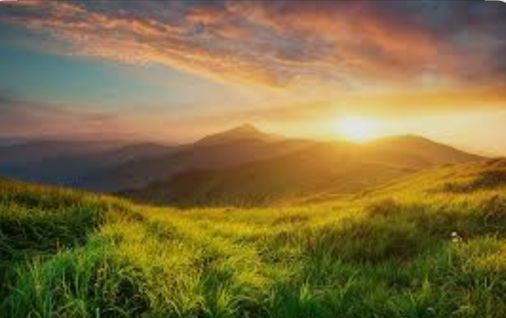
Nature is the physical world surrounding us, encompassing all living and non-living things-like plants, animals, landscapes, and the atmosphere-not fundamentally altered by humans. It provides essential resources for survival, including air, water, and food. Protecting nature from pollution and deforestation is crucial for human health, mental peace, and ecological balance.
What is Nature?
Nature encompasses the entire physical world and living universe that exists independently of human creation, including plants, animals, landscapes, weather, and geological processes. It represents the natural environment, encompassing both living (biotic) organisms and non-living (abiotic) elements like air, water, and soil, which form complex, interconnected ecosystems.
Main elements of nature (air, water, land, plants, animals)
The basic elements of nature, often referred to as classical elements, are Earth, Water, Fire, and Air, which together represent the foundational components of the physical world, including solidity, fluidity, energy, and atmosphere. Many traditions also include a fifth element, Ether or Space, representing the void.
The five elements (Pancha tattva/Pancha Bhutas):
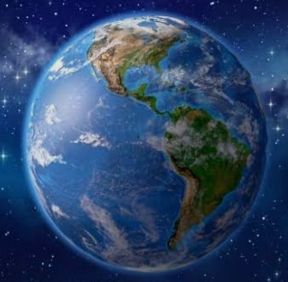
Prithvi (Earth) is the third planet from the sun and the only known celestial object to support life. Formed approximately 4.68 billion years ago, it is a rocky planet with an atmosphere primarily composed of nitrogen and oxygen, with 71% of its surface covered by water. Earth has a dynamic geological structure with a metallic core divided into tectonic plates.
Water (H2O) is a tasteless, odorless, and nearly colourless polar inorganic compound essential for all known life, covering three-fourths of Earth’s surface. As a ”universal solvent,” it dissolves more substances than any other liquid, making it critical for biological, chemical, and industrial processes.


Fire primarily represents the light, heat, and flames produced by combustion (burning), but it is widely used idiomatically to signify intensity, passion, enthusiasm, or high-quality (”lit”). On social media, it acts as a symbol for attractiveness (”smoking hot”) or popular, excellent content.
Air is the essential mixture of gases (roughly 78% nitrogen, 21% oxygen) forming the Earth’s atmosphere. It is used for breathing, sustaining life, powering pneumatic tools, and flight. Common synonyms include atmosphere, wind, and sky. It can also refer to a musical tune or an appearance, such as an ”air of mystery”.
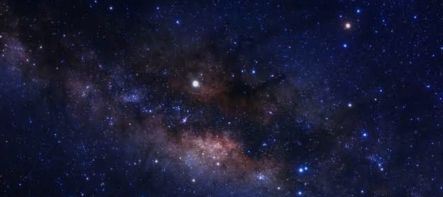
Akasha, often translated as ether or space, is the subtlest of the five elements (Pancha Bhuta) in Indian philosophy, representing the fundamental, all-pervading, and non-atomic substrate that enables existence and connects all other elements.
Importance of Nature in our Life
Nature plays a vital, multifaceted role in human life, acting as our primary source of food, water, oxygen, and raw materials. It provides essential, life-sustaining services-regulating climate, purifying air, and enabling biodiversity-while significantly boosting human mental and physical health by reducing stress and promoting activity.
Why Nature is essential for human life?
Nature is essential for human life because it provides fundamental life-support systems, including clean air, water, food, and medicine, while regulating the climate and supporting mental well-being. Ecosystems perform crucial services like pollination, nutrient cycling, and disaster reduction that allows society to function and thrive.
Role of Nature in mental health
Spending time in nature significantly improves mental health by reducing stress (cortisol), anxiety, and depression while boosting mood, cognitive function, and feelings of calmness. Natural environments-both green and blue spaces-lower blood pressure, enhance attention, foster creativity, and provide a sense of awe that promotes emotional resilience.
Source of Food & Oxygen
Photosynthesis, performed by plants, algae, and cyanobacteria, is the primary source of food and oxygen in nature. Using sunlight, water, and carbon dioxide, these organisms produce glucose for energy and release oxygen as a byproduct. Marine phytoplankton are crucial, producing about 50-80% of Earth’s atmosphere oxygen.
Beauty of Nature
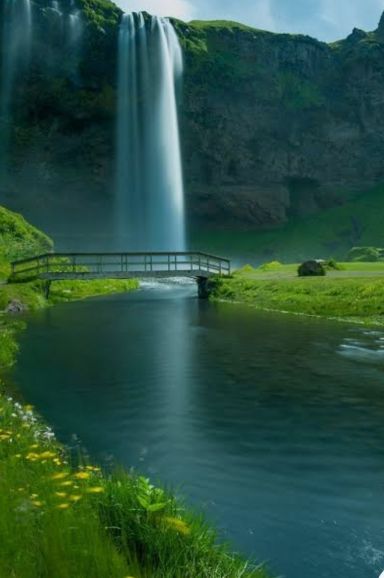
The beauty of nature is something that cannot be quantified. Nature’s beauty is so vast that simple words cannot express it or measure it. Nature is a place where peace and serenity emanates from.
Beauty of Mountains, Rivers, Forests
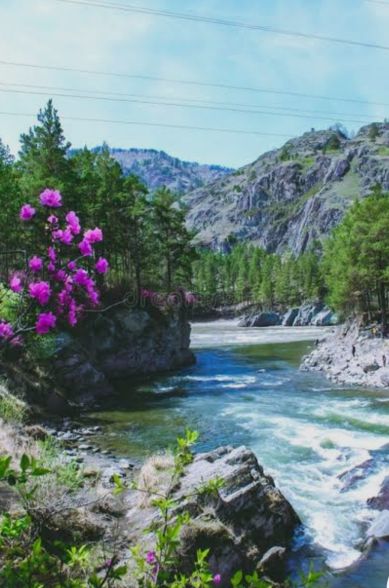
The beauty of forests, rivers, and mountains lies in their tranquil, interconnected grandeur-lush canopy forests, pristine mountain streams, and towering, snow-capped peaks. These landscapes feature roaring cascades, vibrant wildlife, and serene, misty valleys that offer a peaceful, scenic atmosphere, particularly in high-altitude regions like the Himalayas, Montana, and Norway.
Forests provide serene, green surroundings with biodiversity, while rivers (like those in Colombia’s Amazonia or Japan’s Yakushima Island) offer crystal-clear, fast-flowing water. The combination often includes moss-covered trunks, ferns, and wildflowers.
Mountain ranges offer scenic, rugged views with, in some cases, steep slopes and alpine forests featuring pine, fir, and deodar trees. The scenery changes with seasons, from colorful spring blooms to snow-capped winter, notes Medium.
Nature Photography & Attraction
Nature photography captures the beauty of landscapes, wildlife, and small details, requiring patience, fast shutter speeds for movement, and golden hour lighting. It fosters a deep connection to the environment, evoking emotion and calming the viewer, while also acting as a healing tool in clinical settings.
Importance of Sunrise & Sunset
Sunrise and sunset are vital, natural bookends to the day that regulate human circadian rhythms, improve mood, and reduce stress. Morning sunlight triggers cortisol to boost energy, while evening light encourages melatonin for better sleep. These moments offer mental clarity, promote mindfulness, and provide daily reminders of nature’s cycles.
Types of Natural Resources
Natural resources are materials from Earth used to support life and meet human needs, categorized mainly into renewable (replenished quickly, e.g., sunlight) and non-renewable (finite, e.g., coal). They are further classified by origin into biotic (living/organic) and abiotic (non-living/inorganic) resources. Key types include air, water, soil, minerals, and forests.
Renewable Resources (solar, wind)
These are natural resources that can be replenished or reproduced relatively quickly by natural processes within a human lifespan, notes Study.com say.
Examples: Sunlight, wind. water, forests, and biomass.
Non-renewable Resources (coal, petroleum)
These exist in fixed, limited amounts and take millions of years to form, meaning they cannot be easily replaced once used, notes Study.com explain.
Examples: Fossil fuels (coal, oil, natural gas) and minerals (iron, copper, gold, uranium).
Environmental Problems Affecting Nature
Environmental problems are deeply interconnected, with human activity driving significant crises that affect nature, including climate change, biodiversity loss, pollution, and resource depletion. key issues include ocean acidification, 40% soil degradation, 75% land alteration, and widespread deforestation. These damages disrupt ecosystems, accelerate species extinction, and cause extreme weather.
Pollution of Air, water, and Land
Air, water, and land pollution are caused by human activities-industry, transportation, and waste-releasing harmful contaminants like chemicals, plastics, and greenhouse gases into the environment. These contaminants degrade ecosystems, damage biodiversity, and pose severe health risks, causing millions of premature deaths annually. Key solutions include reducing, reusing, and recycling waste, improving emission controls, and shifting to cleaner energy.
- Air Pollution: Burning fossil fuels (coal, oil, gas) in power plants and vehicles, industrial emissions, and wildfires release soot, toxic gases (CO2, CO, NOx), and sulfur dioxide.
- Water Pollution: Industrial discharge, sewage, agricultural runoff (pesticides/fertilizers), and plastic waste entering oceans, rivers, and lakes.
- Land Pollution: Improper disposal of solid waste (plastics, electronics), mining, and agricultural chemicals contaminate the soil.
Deforestration
Deforestation is the large-scale removal or destruction of forests, usually for agricultural expansion, ranching, or urban development. It destroys habitats for millions of species, causes severe climate change by releasing carbon, and impacts the livelihoods of local communities, with roughly 2,400 trees cut down per minute.
Climate change
Climate change refers to long-term shifts in temperatures and weather patterns. such shifts can be natural, due to changes in the sun’s activity or large volcanic eruptions. Climate change affects the environment in many different ways, including rising temperatures, sea level rise, drought, flooding, and more. These events affect things that we depend upon and value, like water, energy, transportation, wildlife, agriculture, ecosystems, and human health.
Different ways to protect Nature
Tree plantation
Tree plantation is the process of transplanting seedlings or planting seeds to rebuild forests, restore natural habitats, and enhance urban environments. It boosts carbon sequestration, prevents soil erosion, and provides essential habitats, offering a crucial, nature-based solution to climate change. Proper techniques-such as digging wide holes and choosing suitable sites-are essential for high survival rates.
Reduce, Reuse & Recycle
”Reduce, reuse, recycle” are the three essential pillars of sustainable waste management, designed to minimize trash, conserve natural resources, and reduce environmental impact. Reduce means buying less and choosing products with minimal packaging; Reuse involves using items multiple times; Recycle turns old materials into new products.
Water Conservation
Water conservation is the efficient, sustainable use of water resources to prevent waste and ensure future availability, as fresh water is limited. Key practices include repairing leaks, installing low-flow fixtures, running full laundry loads, and adopting rainwater harvesting. These actions reduce demand on ecosystems, save energy used for water treatment, and mitigate climate change impacts.
Less use of Plastic
Reducing plastic consumption involves replacing single-use items with reusables, buying in bulk, and choosing sustainable materials like glass or metal. Key actions include carrying a water bottle, bringing shopping bags, refusing straws, and avoiding excessive packaging. Simple lifestyle changes can significantly lower your environmental impact.
Benefits of Spending Time in Nature
Spending time in nature offers a wide range of proven physical and mental range of proven physical and mental health benefits. Regular exposure to natural environment, even just in urban parks or gardens, is associated with reduced stress, improved cognitive function, and enhanced physical health.
Time in green spaces significantly lowers levels of the stress hormone cortisol, and reduces symptoms of anxiety, depression, and anger. It can boost mood, self-esteem, and overall happiness and well-being. A strong connection with nature is linked to a greater sense of meaning and purpose in life.
Key benefits of spending time in nature include:
- Boosted Immune System: The air in forested areas contains organic compounds called phytoncides, which can increase the body’s count and activity of natural killer (NK) cells, which fight off infections and diseases. Sunlight exposure also helps the body produce vitamin D, essential for immune function.
- Mind gets refreshed: Spending time in nature is a powerful way to refresh the mind, acting as a natural, free, and accessible therapy for mental fatigue and stress. Research shows that even short, consistent interactions with natural environments can significantly lower stress hormones, enhance cognitive function, and improve emotional well-being.
- Enhanced Physical health: Nature encourages physical activity like hiking, walking, or gardening, which can lower blood pressure and improve heart rarte.
How we can save Nature
Protecting nature involves reducing plastic use, conserving water, saving energy, and adopting sustainable habits like recycling and eating locally. Key actions include using reusable bags and bottles, turning off electronics, supporting sustainable products, planting native species, and reducing waste. These small daily actions significantly help reduce pollution and protect ecosystems.
Small changes in daily life
Small, natural changes in daily life improve well-being and sustainability. Key actions include walking or cycling, eating plant-based meals, using reusable items to reduce waste, and engaging with nature (e.g., walking, gardening) to lower stress. These habits improve mental clarity, physical health, and environmental sustainability.
Eco-friendly habits
Eco-friendly habits rooted in nature involve mimicking natural cycles-reducing waste, conserving resources, and fostering biodiversity. Key actions include composing organic waste to enrich soil, harvesting rainwater, using natural materials, supporting local ecosystems, and reducing energy/plastic consumption to lessen human impact on the environment. Transforming food scraps into nutrient-rich soil keeps waste out of landfills and feeds the earth.
To Spread Awareness
Spreading awareness by nature involves connecting people directly with the environment through immersive experiences, such as organizing tree planting, nature walks, wildlife education, and community cleanup projects. These hands-on actions, combined with education in schools and using social media, highlight the importance of biodiversity and sustainable living.
Conclusion
The beauty of nature is a profound, ever-present source of wonder and solace, offering a delicate balance of peace, life-sustaining resources, and incredible artistic splendor. It serves as a vital escape from modern stress, fostering deep mental and emotional well-being. Nature offers a sanctuary for mental, spiritual, and physical replenishment, providing peace that reduces anxiety and improves overall health.
While offering boundless beauty, nature is fragile. Human activities like pollution and deforestation threaten its existence, making it our responsibility to protect and preserve it. Nature teaches us about the interconnectedness of all living beings and the importance of ecological balance.
In short, nature is a priceless gift that nourishes Our Souls, and ensuring its protection is essential for future generations to enjoy the same splendor. Air, water, food, energy, health, and economic stability all emerge from functioning ecosystems. the planet is under extraordinary strain. Climate change, biodiversity loss, deforestation, water scarcity, plastic pollution, and sustainable consumption threaten not only wildlife but human survival itself.
FAQ Section
What is Nature?
Nature refers to all the animals, plants, and other things in the world that are not made by people, and all the events and processes that are not caused by people. These grasses grow wild in nature.
How to save a Nature?
Saving water and reducing waste can conserve natural resources for future generations. Using renewable energy sources like solar and wind power reduces pollution. Planting trees improves air quality and supports wildlife habitats. Reducing plastic use helps prevent water pollution and protects marine life.
Difference between Nature & Environment?
Environments may be natural or built. A natural environment is a type of environment found in nature. It includes all living and nonliving. It, therefore, involves the complex relationships of weather, climate, living species, and natural resources.
Impact of Nature in human life?
Nature gifts many benefits to humans. From the air we breathe, the water we drink, and the food we eat, nature enhances our wellbeing and freely provides the essentials for our survival. For decades, scientists and environments have discussed the concept of ECOSYSTEM SERVICES.