Self-improvement is crucial because it fosters self-awareness, builds resilience, and drives and professional growth, allowing individuals to upgrade their quality of life.

Self improvement is the intentional continuous process of developing your skills, knowledge, character, and health to reach your potential. It involves cultivating positive habits like gratitude, setting actionable goals, maintaining physical health through sleep and exercise, and developing emotional resilience through self-awareness and lifelong learning.
Key strategies for self-Improvement:
- Mental & Emotional Growth: practice radical acceptance manage stress, cultivate gratitude for better mental health, and foster self-awareness to understand your strengths and limitations.
- Habit Formation: Focus on small, consistent actions (like daily exercise or reading) rather than massive, sudden changes. According to jamesclear.com, this represents a continuous lifelong effort to refine your actions.
- Physical well-being: Ensure adequate sleep, reduce intake of processes/fried foods, and try to exercise at least every 3 days to maintain energy levels.
- Learning & knowledge: Actively seek to improve through reading, courses, or seeking feedback from others, which enhances your career and personal life.
- Environment & structure: Organise your space (e.g., cleaning your desk, as suggested in this Reddit post) to reduce mental clutter and increase productivity.
Identify areas for growth, determine specific areas like communication, skill development, or emotional health rather than aiming to ”fix” everything at once.
Use the 80/20 Rule consistently apply your best-known strategies 80% of the time, while using 20% of your energy to explore new methods.
Join communities, find groups with similar goals for accountability and support, as suggested by New York university.
What is Self-Improvement?
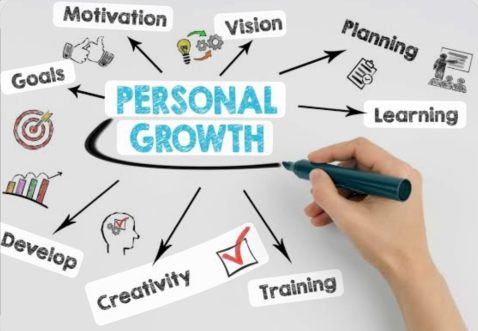
Self-improvement is pretty self-explanatory: self-improvement is the improvement of one’s knowledge, status, or character by one’s own efforts. It’s the quest to make ourselves better in any and every facet of life. Self-Improvement is the intentional, continuous process of developing one’s capabilities, knowledge, behaviours, and character to enhance quality of life and reach personal potential. It involves self-assessment, setting personal goals, and taking proactive steps to create positive change in mental, physical, or professional areas.
Self-awareness, identifying personal strengths and weakness to understand what needs changing. Proactive growth, engaging in activities like learning new skills, reading, meditating, or physical exercise. Lifelong journey, it is an ongoing, often difficult process rather than a one-time achievement, aimed at being better than yesterday. Personalization, the goals are unique to the individual, focusing on what they deem valuable, such as increasing self-confidence or improving emotional regulation.
5 Points of personal development
- Mental
- Social
- Emotional
- Physical
- Spiritual
Self-improvement almost always starts with self-awareness and the ability to transform your habits. If you’re serious about transforming your life and improving yourself.
Self-improvement is therefore, in a weird way, ultimately self-defeating.
The only way to truly achieve one’s potential, to become fully fulfilled, or to become ”self-actualized” (whatever the fuck that means), is to, at some point, stop trying to be all of those things.
One of the beautiful things about Tyler Durden in fight club is that he seems to understand the implicit vanity and self-absorption that comes with the desire to improve oneself. Now, before we go all fight club, start punching each other in basements, and blowing up bank buildings, I do believe that there is an important role for self-improvement and the millions of podcasts, books, seminars, and articles that you obsessively consume. There is hope for you, I promise.
But, as usual, a lot depends on why you care about self-improvement, so, let’s all put our shirts back on and take a look.
Why Self-Improvement is Important
Self-improvement is crucial because it fosters self-awareness, builds resilience, and drives personal and professional growth, allowing individuals to upgrade their quality of life. By intentionally developing skills and changing behaviours, people can adapt to challenges, improve relationships, boost confidence, and find a greater sense of purpose.
Self-improvement is the conscious, continuous process of developing one’s habits, skills, mindset, and personality to enhance quality of life and reach personal potential. It is important because it boosts self-awareness, productivity, and resilience while improving mental health and fostering healthier, more successful relationships and careers.
Improve your confidence
Improving confidence involves actionable self-improvement steps like practicing positive self-talk, facing fears, and setting small, achievable goals to build momentum. Boost self-worth by cultivating self-compassion, improving physical posture, engaging in self-care, and surrounding yourself with supportive people. Consistently stepping outside your comfort zone and celebrating small wins are also key.
Help to your career growth
Self-improvement drives career growth by building confidence, competence, and resilience through proactive habit-setting, skill acquistion, and networking. Key strategies include setting SMART goals, attending training, reading industry literature, practice emotional stability, and maintaining a “growth mindset” to embrace challenges.
It keeps mental health good
Self-improvement enhances mental health by fostering resilience, building positive habits, and increasing self-worth. Engaging in regular self-care such as exercise, quality sleep, and setting boundaries-reduces stress and improves emotional regulation. These proactive habits empower individuals to manage challenges more effectively, improving overall quality of life.
7 Powerful self-improvement Tips
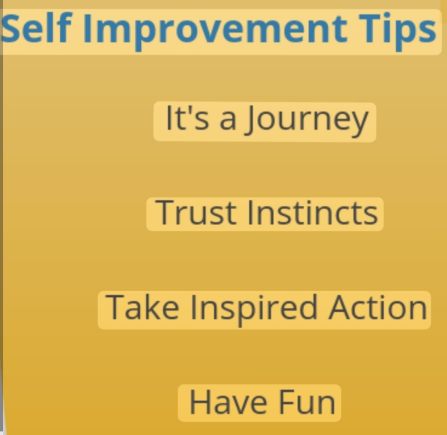
Improving yourself involves a combination of setting SMART goals, building consistent daily routines, fostering self-awareness, and engaging in continuous learning. key actions include journalising for reflection, exercising for energy, reading to gain knowledge, and managing time through techniques like time-blocking to reduce distractions.
Set a Clear Goals
Setting a clear, actionable goal is essential for self-improvement, turning vague desires into reality by focusing on 1% daily improvements. Use the SMART Framework (specific, measurable, Achievable, Relevant, Time-bound) to define your target, write it down to make it tangible, and break it into small, daily, or weekly actions to maintain momentum and motivation.
Follow a Daily Routine
A successful self-improvement daily routine focuses on consistency, starting with a structured morning (no phone, hydration, movement) and ending with reflection. key habits include meditating, journalising, reading, and exercising. By designing a routine with 1-3 simple, actionable habits, you can build lasting personal growth, increase productivity, and improve mental health without feeling overwhelmed.
Develop a positive mindset
Developing a positive mindset involves actively rephrasing negative thoughts, practicing daily gratitude, and surrounding yourself with supportive people. key strategies include identifying negative self-talk, cultivating resilience, setting small goals, exercising, and practicing mindfulness to focus on the present.
Reading Books and Learning habits
Top self-improvement books for building better habits and learning include atomic habits by James clear for habit formation, deep work by cal newport for focus, and the mountain is you by brianna wiest for overcoming self-sabotage. These books offer actionable insights to boost productivity, discipline, and personal growth.
Focus on Health and Fitness
Self-improvement in health and fitness involves building a ”body dashboard” by tracking metrics like weight and blood composition, engaging in regular physical activity (150+mins/week), and improving nutrition through homemade meals. Focus on setting specific, realistic goals-such as increasing energy, enhancing strength, or improving sleep-rather than vague weight loss targets.
Improve your Time Management
Self-improvement drives better time management by cultivating focus, goal-setting, and prioritization, leading to reduced stress and higher productivity. key improvements involve adopting structured techniques such as time blocking, creating prioritized to-do lists, and eliminating distractions. Developing discipline through self-awareness and consistent daily planning directly increases efficiency, allowing more time for personal development.
Maintain Discipline in your Life
Maintaining self-discipline for self-improvement involves setting clear, achievable goals, establishing consistent daily routines, and manging distractions. key strategies include starting with small, manageable habits, creating a “why” for motivation, and practicing self-compassion after setbacks to maintain long-term, consistent behaviour.
Common Mistakes in Self-Improvement

Common self-improvement mistakes include consuming excessive content without taking action, setting too many goals once, and seeking overnight results. Other pitfalls are neglecting self-awareness, comparing progress to others, and failing to change one’s environment. Lasting change requires consistent, small actions over time rather than intense, temporary overhauls.
Expect quick results
Expecting quick results one of the most common and damaging mistakes in self-improvement, often leading to burnout, frustration, and premature abandonment of goals. Real personal growth is a slow, often boring process that requires consistency, whereas “instant results” thinking turns self-help into a “quick fix” cycle that rarely produces lasting change.
Lack of consistency
A lack of consistency is one of the most common pitfalls in self-improvement, often stemming from relying on fleeting motivation rather than building sustainable systems. This inconsistency manifests as starting and stopping, often driven by the brain’s desire for immediate rewards rather than long-term, slow-burn progress.
Continuously Overthinking
Overthinking is a major pitfall in self-improvement that often masquerades as productive planning. leading to a ”paralysis by analysis” cycle that stalls progress and drains mental energy. It often stems from a fear of making mistakes, a desire for perfectionism, or a need to control future outcomes.
Simple Daily habits for Self-Growth
Simple daily habits for self-growth include setting morning gratitude or meditation, reading for 20 minutes, exercising, and reflecting on the day. Consistently waking up early, eating healthily, and limiting screen time also foster personal development.
Morning Routine
Avoid checking your phone immediately, instead, hydrate, stretch, and get sunlight within 30 minutes of waking.
Physical Health
Dedicate 15-30 minutes to exercise, such as walking, running, or stretching, to boost mental clarity.
Lifelong Learning
Read books or listen to educational podcasts to expand your knowledge base.
Mindfulness & Reflection
Practice meditation, deep breathing, or silent reflection for 5 minutes.
Goal Setting & Journaling
Jot down three key tasks to prioritize for the day and journal about your experiences to increase self-awareness.
Gratitude Practice
Mentally note or write down things you are grateful for to foster a positive mindset.
Conclusion
Self-improvement is a continuous lifelong journey, not a final destination, focused on enhancing personal potential, wellbeing, and skillsets. It requires consistent action, self-awareness, and resilience in facing challenges. Ultimately, it fosters a better life, stronger relationships, and deeper personal fulfillment through constant, purposeful growth.
In conclusion, computing a self-improvement essay is a complex endeavor that necessitates deep introspection, emotional vulnerability, and mastery of narrative techniques. The difficulty lies not just in penning down words, but in navigating the intricate nuances of personal growth and transformation. It’s a journey that challenges the writer to articulate their evolution with authenticity, resonance, and finesse.
FAQ Section
How to start a self-improvement?
Starting self-improvement means improving your mind, habits health, and skills step by step. You don’t need to change everything at once. Start small and stay consistent.
What can I do for daily self-growth?
For daily self-growth, focus on small habits that improve your mind, body, and skills every day. Consistency matters more than doing too many things at once.
Common mistakes should be avoided in self-improvement?
”Avoiding common mistakes in self-improvement means identifying and staying away from habits or actions that slow down personal growth and progress.
What are the best habits for self-improvement?
Some good habits include:
1.Reading daily
2.Exercising regularly
3. Learning new skills
4. Managing time effectively
5. Practicing discipline
Can self-improvement change my life?
Yes, consistent self-improvement can increase confidence, improve skills, and create better opportunities in life.
How can I stay motivated for self-improvement?
Stay motivated by tracking progress, celebrating small wins, and reminding yourself of your goals.